
What to Do After a Hospital Discharge: A Guide for Families
Bringing a loved one home from the hospital can feel overwhelming—especially in the first 24–72 hours, when the risk of complications or readmission is highest.
While discharge means they are stable enough to leave, it does not always mean they are fully ready to manage on their own. Many hospital readmissions happen because families don’t have enough support in place at home.
At United Senior Services, we help families transition safely from hospital to home with the right non-medical support.
If your loved one is coming home from the hospital, having the right support can make all the difference.
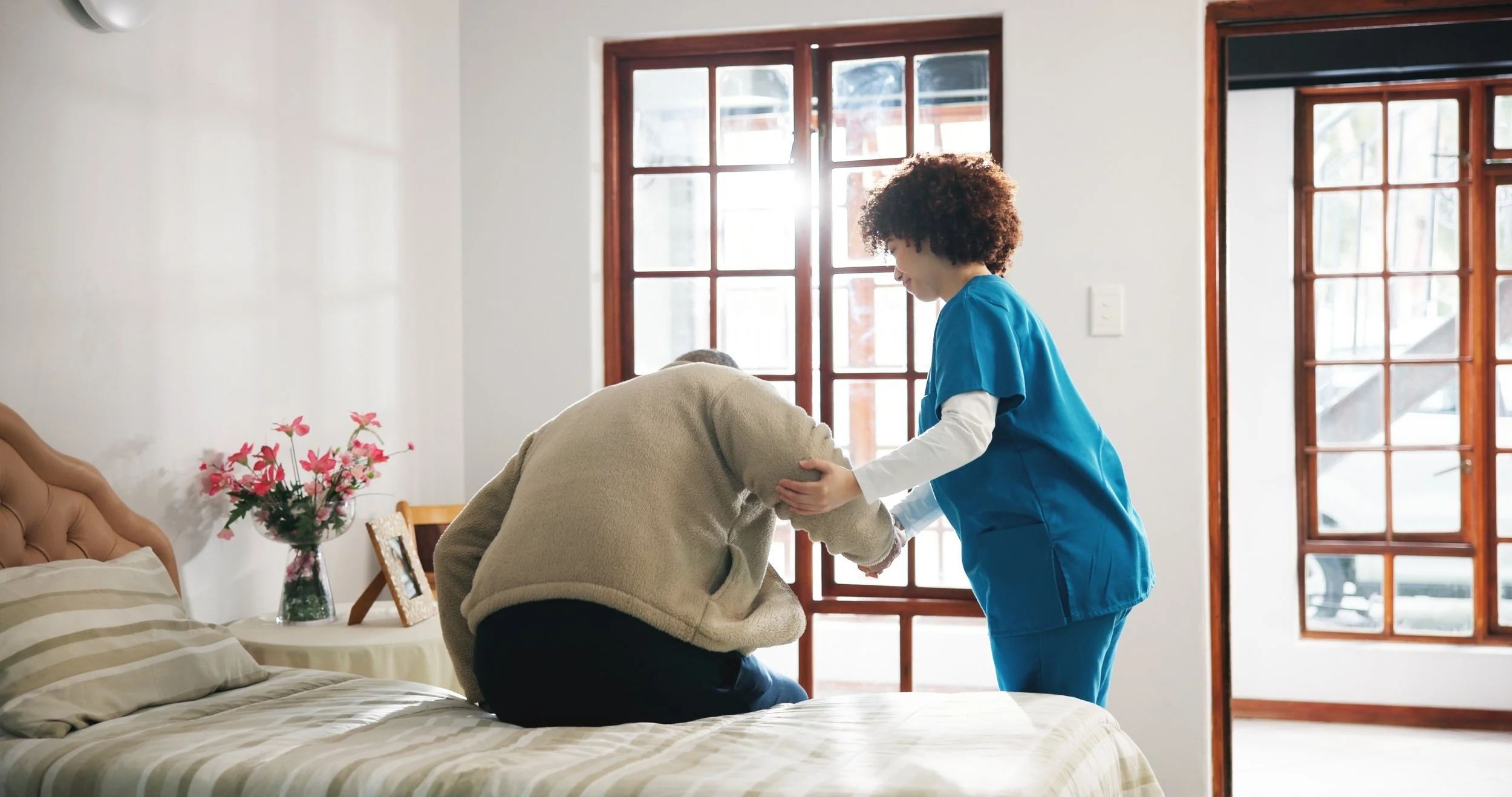
Here are important steps to take after discharge:
1. Understand the Discharge Instructions
Before leaving the hospital, make sure you clearly understand:
Follow-up appointments
Medication schedules (and reminders needed)
Activity restrictions
Warning signs to watch for
Don’t hesitate to ask questions. Clear instructions can help reduce confusion once you’re back home.
2. Prepare the Home for Safety
Your loved one may have limited mobility after discharge.
Consider:
Removing tripping hazards (rugs, clutter)
Ensuring proper lighting
Setting up a comfortable resting area
Keeping essentials within reach
A safe home environment can help reduce the risk of falls and injury.
3. Plan for Daily Support
After discharge, simple daily tasks can become difficult, such as:
Bathing and grooming
Meal preparation
Moving around safely
Remembering appointments or needing reminders to take medications
Having the right support in place can help reduce stress and support a smoother recovery process.
For example, many families initially believe they can manage everything on their own—until daily care needs become overwhelming within the first few days at home.
4. Keep an Eye on Changes
Watch for noticeable changes such as:
Increased weakness or fatigue
Changes in appetite
Confusion or unusual behavior
Signs of discomfort
If anything seems concerning, contact your loved one’s healthcare provider promptly.
5. Don’t Try to Do Everything Alone
Family members often take on too much after discharge, which can quickly lead to stress and burnout.
Getting extra help can:
Reduce stress
Provide additional support at home
Allow you to focus on spending quality time with your loved one
When to Consider Immediate Help
You may want to consider additional support right away if:
Your loved one lives alone
They have difficulty walking or moving safely
You are unable to be present throughout the day
You feel unsure managing care on your own
How United Senior Services Can Help
We are a family-owned, IDPH-licensed Home Services Agency providing non-medical care, including:
✔ Assistance with daily living activities
✔ Medication reminders
✔ Mobility support and safety supervision
✔ Meal preparation and light housekeeping
✔ Companionship during recovery
✔ Flexible care schedules (from a few hours to 24-hour care)
Our caregivers help ensure your loved one is comfortable, supported, and not alone during recovery.